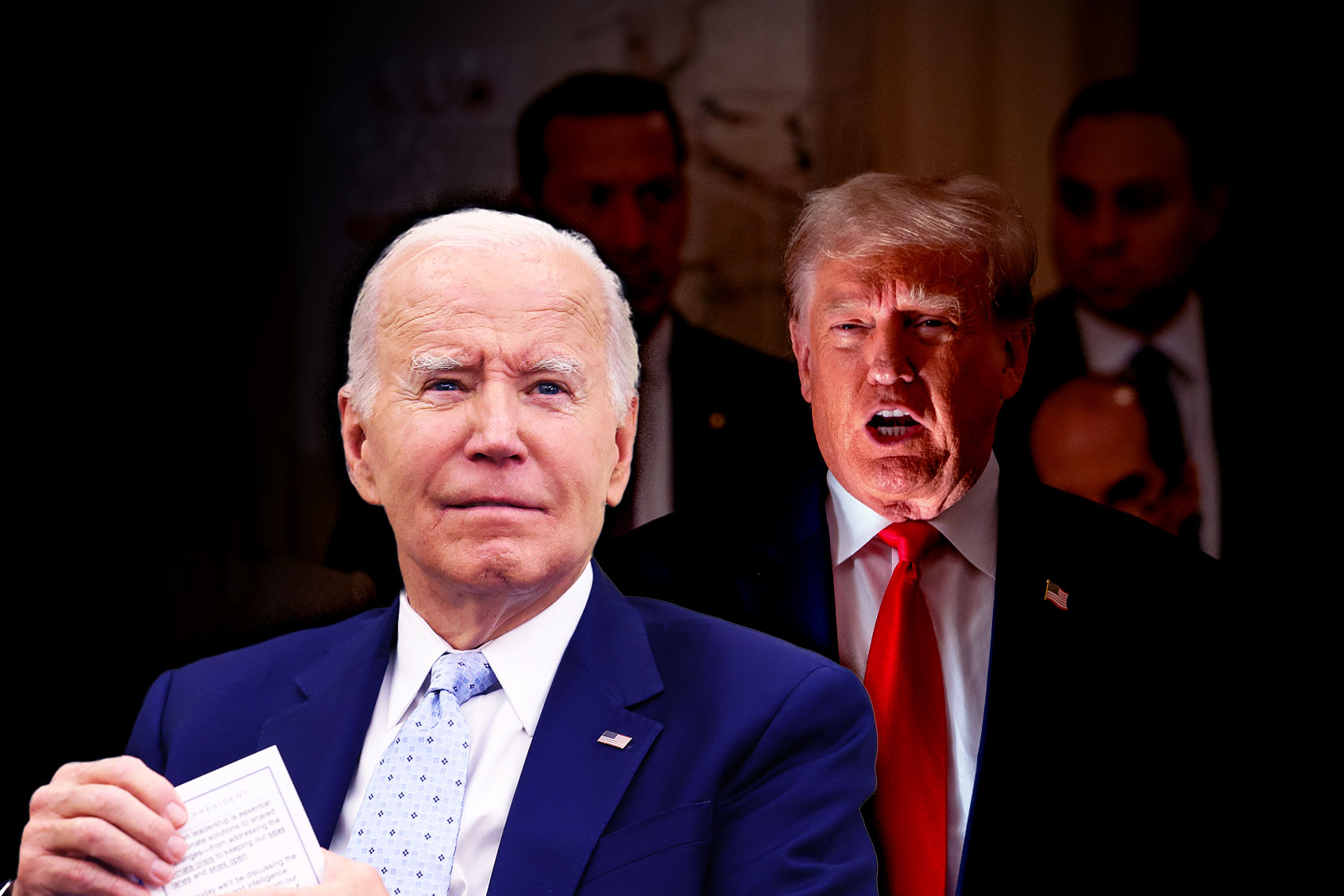
Split-Screen America: The Enduring Trump Effect on National Political Divides
The image of "split-screen America" became a potent metaphor during the Trump presidency, vividly illustrating a nation operating on fundamentally different realities. While one side watched presidential impeachment proceedings unfold, the other saw a triumphant rally, each validating their pre-existing beliefs. This phenomenon is not merely a political anecdote; it’s a profound symptom of the trump political split that has permeated nearly every facet of American life, from national policy debates to, surprisingly, professional sports locker rooms.
The impact of Donald Trump on American politics is undeniable, but perhaps his most lasting legacy is the deepening of an already simmering national polarization. His rhetoric, policies, and persona have served as a powerful accelerant, creating stark divisions that define our current political landscape. This article will delve into how the Trump era has magnified these divides, using specific examples to illustrate a pervasive societal fragmentation.
The Microcosm of Division: Politics in the Locker Room
Professional sports, once a perceived sanctuary from political contention, have become increasingly susceptible to the same trump political split witnessed in the broader society. A striking example emerged from the New York Mets clubhouse, as veteran sports radio voice Mike Francesa claimed that differing views on Donald Trump created a significant rift between star players Francisco Lindor and Brandon Nimmo. Francesa suggested that this political disagreement, not baseball, sparked tension that lingered and affected their relationship as teammates, eventually adding another layer of speculation to Nimmo's recent trade to the Texas Rangers. This isn't an isolated incident; it reflects a broader trend.
Why would political views, especially on a figure like Trump, seep into such an environment? Sports teams are inherently diverse, bringing together individuals from varied backgrounds, socio-economic statuses, and geographic regions. Traditionally, a shared goal and team identity transcended individual differences. However, the intensity of the Trump era's political polarization meant that political beliefs were no longer just private opinions; for many, they became fundamental components of identity and morality. When political figures or policies are perceived as embodying existential threats or core values, it becomes exceedingly difficult to compartmentalize those feelings.
This dynamic poses immense challenges for team cohesion, whether in sports, corporate environments, or community groups. Managers and leaders are increasingly tasked with navigating highly charged discussions that can spill over from social media into the workplace. The Lindor-Nimmo anecdote, if true, serves as a powerful illustration of how deeply the trump political split has penetrated, making even common ground hard to find. For a deeper dive into this specific case, you can read more at Trump Politics Split Mets Clubhouse: Lindor and Nimmo Feud Explained. Furthermore, the broader implications of this trend on sports are explored in How Trump's Politics Are Dividing Professional Sports Locker Rooms.
The Macro Landscape: Echo Chambers and Alternate Realities
Beyond individual disagreements, the Trump era solidified the "split-screen" phenomenon on a national scale. During moments like presidential impeachment votes, Americans were presented with radically different narratives, shaped by their preferred media outlets and social circles. One segment of the population viewed the impeachment as a necessary defense of democracy, while another saw it as a politically motivated witch hunt orchestrated by the opposition. Both narratives, despite being about the same event, were fortified by distinct sets of "facts" and interpretations, fostering a sense of living in parallel universes.
This amplification of alternate realities is fueled by several factors:
- Social Media Algorithms: Platforms are designed to show users more of what they already engage with, creating echo chambers where dissenting opinions are rarely encountered. This reinforces existing biases and makes it harder to empathize with opposing viewpoints.
- Partisan News Outlets: While media bias has always existed, the digital age has allowed for the proliferation of news sources that cater almost exclusively to specific ideological bases, often prioritizing commentary and advocacy over objective reporting.
- Confirmation Bias: A natural human tendency, confirmation bias leads individuals to seek out and interpret information in a way that confirms their pre-existing beliefs, making it difficult to accept contradictory evidence.
The result is a society where citizens may struggle to agree on basic facts, let alone complex policy solutions. This profound disconnect is a core component of the trump political split, hindering constructive dialogue and compromise, and making broad consensus an increasingly elusive goal. Understanding these mechanisms is crucial for any individual aiming to navigate the modern information landscape.
Policy and the Perpetual Campaign: Fueling the Divide
The policy discussions and proposals during and post-Trump's presidency have often transcended typical partisan debates, evolving into existential struggles for many. Whether it's immigration reform, judicial appointments, environmental regulations, or economic policy, the stakes are perceived as incredibly high. The constant state of "perpetual campaign" means that every policy decision, every political maneuver, is framed within an adversarial, high-stakes battle for the nation's future.
Consider the discourse surrounding a potential second Trump term. While the details of specific policy proposals, such as those outlined in Project 2025, are complex and varied, the very *prospect* of such a term generates immense emotional responses. For supporters, it signifies a return to perceived prosperity and traditional values; for opponents, it represents a threat to democratic norms and social progress. This deeply emotional and ideological investment means that compromise becomes incredibly difficult, as any concession is seen as a betrayal of core principles. The trump political split is therefore not just about policy specifics, but about fundamental visions for what America should be.
This phenomenon is exacerbated by a focus on cultural issues and identity politics. Debates around race, gender, religion, and national identity often become intertwined with political platforms, making every policy disagreement feel deeply personal and non-negotiable. This creates a challenging environment for governance, where consensus-building is sidelined in favor of ideological purity and unwavering opposition.
Navigating the Divide: Strategies for a Fractured Society
Given the pervasive nature of the trump political split, individuals and communities must actively seek strategies to bridge these chasms, or at least coexist productively. While the impulse to retreat into like-minded groups is strong, fostering constructive engagement is vital for a healthy democracy:
- Cultivate Media Literacy: Actively seek information from a diverse range of reputable sources. Be critical of headlines and consider the motivations behind different news narratives. Fact-check claims before accepting them as truth.
- Practice Empathic Listening: Before formulating a rebuttal, genuinely try to understand the perspective of someone with opposing views. Ask questions to clarify their reasoning and emotional motivations. This doesn't mean agreeing, but acknowledging their humanity and rationale.
- Seek Common Ground Locally: While national politics can feel intractable, local issues often present opportunities for bipartisan cooperation. Focus on community projects, school board decisions, or local improvements where shared values (e.g., safety, education, clean environment) can transcend national political affiliations.
- Engage Respectfully: When discussing politics, prioritize respect over "winning" an argument. Focus on ideas rather than personal attacks. Acknowledge that people can hold different views and still be well-intentioned.
- Recognize the Emotional Component: Political beliefs are often tied to deep-seated values, identities, and fears. Acknowledging this emotional layer can help in understanding why people are so deeply invested in their positions.
By consciously adopting these strategies, individuals can contribute to a more resilient society, one that acknowledges its divisions but strives for understanding and functional coexistence.
The trump political split has reshaped the American political landscape, leaving a legacy of deep division that permeates every level of society. From the alleged feuds in professional sports clubhouses to the stark "split-screen" realities of national events, the era underscored how fundamentally different segments of the population view their country and its future. While the challenges are immense, recognizing the roots of this polarization and actively pursuing strategies for constructive engagement – even amid profound disagreement – remains critical for strengthening the fabric of American democracy. Moving forward requires a concerted effort to bridge divides, foster understanding, and seek common ground, however difficult that may be.